
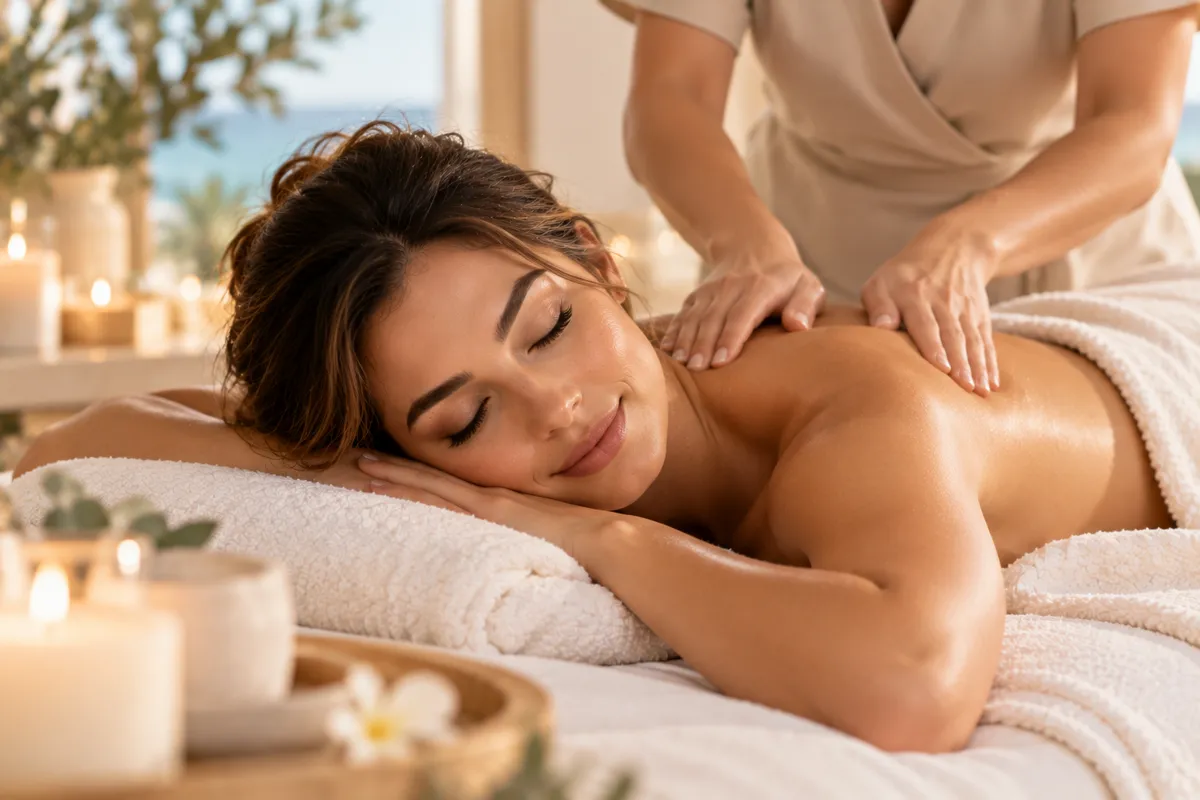
Why Massage Belongs in Your Self-Care Routine
Why Massage Belongs in Your Self-Care Routine
Why Massage Belongs in Your Self-Care Routine
Self-care is often associated with skincare routines, quiet mornings, healthy meals, or taking a well-deserved break from a busy schedule. But caring for yourself also means paying attention to how your body feels.
If your shoulders feel tight after a long day, your muscles feel tired after exercise, or you simply need a moment to slow down, massage therapy may be a valuable addition to your wellness routine.
Massage offers dedicated time to relax, reconnect with your body, and step away from everyday demands. Depending on the technique used and your individual needs, it may also help ease muscle tension, support relaxation, and promote a greater sense of physical comfort.
At Coastal Wellness Collective, we believe self-care doesn't have to be complicated. Sometimes, it starts with giving yourself permission to pause.
What Makes Massage an Important Part of Self-Care?
A consistent self-care routine isn't about doing everything perfectly. It's about building habits that support your well-being over time.
Massage can complement other healthy habits by providing a focused opportunity to relax and address areas of physical tension.
Here are a few reasons to consider making massage part of your routine.
1. It Creates Space to Slow Down
Modern life can leave little room for uninterrupted rest. Between work, family responsibilities, errands, and social commitments, taking time for yourself may feel like another task on the calendar.
A massage appointment creates a dedicated period to step away from those demands.
The quiet environment, intentional touch, and opportunity to rest may help you feel calmer and more relaxed. For many people, this pause is just as valuable as the physical experience.
Self-care tip: Try scheduling your massage before your calendar becomes overwhelming, rather than waiting until you feel completely depleted.
2. It May Help Ease Muscle Tension
Long hours at a desk, repetitive movements, exercise, and everyday activities can contribute to muscle tightness and discomfort.
Massage therapy involves techniques applied to soft tissues that may help relieve some types of muscle tension and improve your sense of comfort.
Depending on the approach, a massage therapist may use gentle, flowing movements or more focused pressure on areas that feel tight.
Common areas people ask about include:
The shoulders and upper back after desk work.
The neck and upper body after prolonged screen time.
The lower back after extended periods of sitting or standing.
The legs after physical activity.
Massage isn't a substitute for medical evaluation when pain is persistent, severe, unexplained, or worsening. A qualified healthcare professional can help identify the cause and determine appropriate care.
3. It Can Support Relaxation and Stress Management
Stress can affect how you feel physically and emotionally. You may notice tense shoulders, difficulty unwinding, or a sense that you're always rushing toward the next responsibility.
Massage may promote relaxation and help some people experience short-term relief from stress. Research suggests massage may be beneficial for certain stress-related symptoms, although outcomes vary and it isn't a replacement for mental health care when needed.
Creating a regular relaxation practice can also encourage you to become more aware of when you need a break.
Consider pairing massage with other supportive habits, such as gentle movement, breathing exercises, adequate sleep, and time outdoors.
4. It Encourages You to Check In With Your Body
Self-care becomes more meaningful when you pay attention to what your body is telling you.
During a massage, you may become more aware of areas where you hold tension or notice how your body responds to different levels of pressure.
Communicating with your therapist about comfort, sensitivity, and preferences helps make the experience more personalized.
You never need to tolerate pressure that feels painful or uncomfortable to receive a beneficial massage. A good session should be guided by your needs and comfort level.
5. It Can Complement an Active Lifestyle
Whether you enjoy walking, strength training, Pilates, or other forms of movement, massage may complement your broader recovery and wellness habits.
Some people find that massage helps them feel more comfortable after physical activity. It may temporarily reduce certain types of soreness, but it doesn't replace adequate rest, nutrition, hydration, or a well-planned exercise routine.
The best approach is to view massage as one component of a balanced wellness plan—not a shortcut to recovery or a guarantee against injury.
6. It Makes Self-Care Something You Can Schedule
It's easy to postpone self-care when it feels optional. But setting aside time for yourself can help turn wellness into a more consistent habit.
You might choose a massage as a monthly reset, an occasional treat during a demanding season, or part of a broader plan developed with your healthcare and wellness providers.
There isn't one ideal massage frequency for everyone. Your schedule may depend on your preferences, budget, goals, health history, and how your body responds.
Start with a realistic plan that fits your life rather than committing to a routine that feels difficult to maintain.
Which Type of Massage Is Right for You?
Different massage approaches offer different experiences. The most suitable option depends on your preferences, comfort level, and wellness goals.
Relaxation-Focused Massage
If your primary goal is to unwind, a relaxation-focused massage may be a comfortable place to start.
This style typically emphasizes soothing, flowing movements and an overall calming experience. It may be appealing if you spend much of your day managing responsibilities and want dedicated time to rest.
Therapeutic Massage
Therapeutic massage may incorporate techniques selected to address specific areas of muscle tension or discomfort.
Your therapist can discuss the pressure and techniques that may be appropriate for your needs. If you have ongoing pain or a medical condition, seek guidance from a healthcare professional before proceeding.
Focused Work on Areas of Tension
Some sessions emphasize particular areas, such as the shoulders, back, or legs.
Let your therapist know where you feel tension, what movements make it better or worse, and whether any areas are especially sensitive. That information can help guide the session.
The goal is a personalized experience—not simply choosing the most intense treatment.
How Often Should You Get a Massage?
The right schedule depends on what you're hoping to get from massage and how it fits into your life.
For some people, an occasional appointment provides a welcome break. Others prefer a more regular schedule because they enjoy the relaxation and temporary relief from muscle tension.
When deciding how often to book, consider:
Your goals: Are you prioritizing relaxation, general comfort, or a specific concern?
Your schedule: Can you maintain the frequency without adding financial or time-related stress?
Your response: How do you feel during the hours and days after a session?
Professional guidance: Do your health history or symptoms require additional precautions?
If massage is intended to address a persistent physical concern, consult a qualified healthcare professional about the appropriate approach.
Remember, consistency doesn't mean booking as frequently as possible. It means finding a rhythm that works for you.
How to Get More From Your Massage Appointment
A little preparation can help you feel more comfortable and make your session more personalized.
Before Your Appointment
Share your goals and any areas of concern.
Tell your therapist about relevant health conditions, recent injuries, surgeries, or medications that may affect treatment.
Mention your preferred pressure and any areas you would like the therapist to avoid.
Arrive with enough time to settle in and discuss your preferences.
During Your Session
Communicate if the pressure is too intense, too light, or uncomfortable.
Speak up if you feel pain, numbness, tingling, dizziness, or other unusual symptoms.
Remember that you can request a change in technique or stop the session at any time.
After Your Appointment
Give yourself a little time to transition back into your day.
Drink water according to your usual hydration needs.
Notice how your body feels and whether you experience any soreness or discomfort.
Follow any personalized aftercare guidance provided by your therapist.
Mild temporary soreness can occur after some massage techniques, particularly those involving deeper pressure. Significant or persistent pain should not be ignored.
When Should You Check With a Healthcare Professional First?
Massage is not appropriate in every situation. Depending on the technique and your health history, additional precautions may be necessary.
Speak with a healthcare professional before booking if you have a history of blood clots, significant osteoporosis, recent surgery, an acute injury, an active infection, or another condition that may affect the safety of massage.
Avoid massage over areas with suspected blood clots, open wounds, or acute inflammation unless a qualified healthcare professional specifically advises otherwise. Seek medical attention for sudden or unexplained swelling, severe pain, chest pain, or shortness of breath rather than attempting to address these symptoms with massage.
If you are pregnant or have a complex medical condition, let your provider know before your session so the appropriate precautions and techniques can be considered.
Make Massage Part of Your Wellness Routine at Coastal Wellness Collective
Self-care isn't selfish, and it doesn't have to wait until you have extra time.
A massage appointment can be an opportunity to slow down, focus on your comfort, and create a little more room for rest in your routine. Combined with healthy movement, sufficient sleep, and other supportive habits, it can become a meaningful part of how you care for yourself.
At Coastal Wellness Collective in St. Petersburg, Florida, massage therapy is an opportunity to make time for your well-being in a welcoming wellness environment.
Whether you're looking for a relaxing pause during a busy week or exploring massage as part of your broader self-care plan, the first step is finding an option that fits your needs.
Ready to make more room for yourself?
Visit CoastalWellnessStPete.com or call 727-209-7110 to learn more about massage services and appointment availability.
Your wellness routine doesn't have to be perfect. It just needs to make space for you.
Frequently Asked Questions
What are the benefits of massage therapy?
Massage may support relaxation, help ease certain types of muscle tension, and provide temporary relief from some forms of soreness or discomfort. Individual experiences vary, and massage is not a substitute for medical care when symptoms require evaluation.
Is massage good for stress relief?
Massage may help some people feel more relaxed and experience short-term stress relief. It can complement other stress-management habits, including regular movement, sleep, breathing exercises, and professional mental health support when needed.
How often should I get a massage?
There is no single ideal frequency. Your schedule depends on your goals, preferences, budget, health history, and response to treatment. A massage therapist can help you discuss an appropriate plan within their scope of practice.
Is massage only for people with muscle pain?
No. Many people book massage simply because they enjoy the experience of relaxation and dedicated time for self-care. You don't need to wait until you feel uncomfortable to make time for wellness.
Should a massage feel painful to be effective?
No. Some techniques may involve firmer pressure, but massage should not cause significant pain. Communicate your comfort level throughout the session and ask your therapist to adjust the pressure whenever needed.
Can massage replace exercise or medical treatment?
No. Massage may complement healthy lifestyle habits and appropriate healthcare, but it cannot replace prescribed treatment, physical activity, or medical assessment when needed.
References and Further Reading
National Center for Complementary and Integrative Health (NCCIH). Massage Therapy: What You Need to Know.
Mayo Clinic. Massage: Get in touch with its many benefits.
Disclaimer: This article is for general educational purposes only and does not provide medical advice, diagnosis, or treatment. Massage may not be suitable for everyone. Consult a qualified healthcare professional if you have a medical condition, an injury, unexplained symptoms, or concerns about whether massage is appropriate for you.

Amenties
Spa-like finishes and natural light
High quality, sound-mitigating construction
Client waiting area
Long-term and flexible hourly rentals
Break room for decompressing

Get in touch
One Collective Spa located near Tampa Bay Beaches!
4004 Park St N, St. Petersburg, FL 33709
Coastal Wellness Collective is a curated wellness sanctuary offering premium Aesthetic and Wellness services all-in-one, restorative experience for clients. Our community brings together experts dedicated to elevating the well-being of others.


© Copyright 2025. Coastal Wellness Collective. All rights reserved.