
Preventive Skincare: The New Approach to Aging Skin
Why Prevention Is Becoming the New Approach to Aging Skin
Introduction: The Shift from Correcting to Preventing
For years, conversations about aging skin often focused on correcting visible changes: smoothing wrinkles, fading dark spots, improving uneven texture, and restoring a more refreshed appearance.
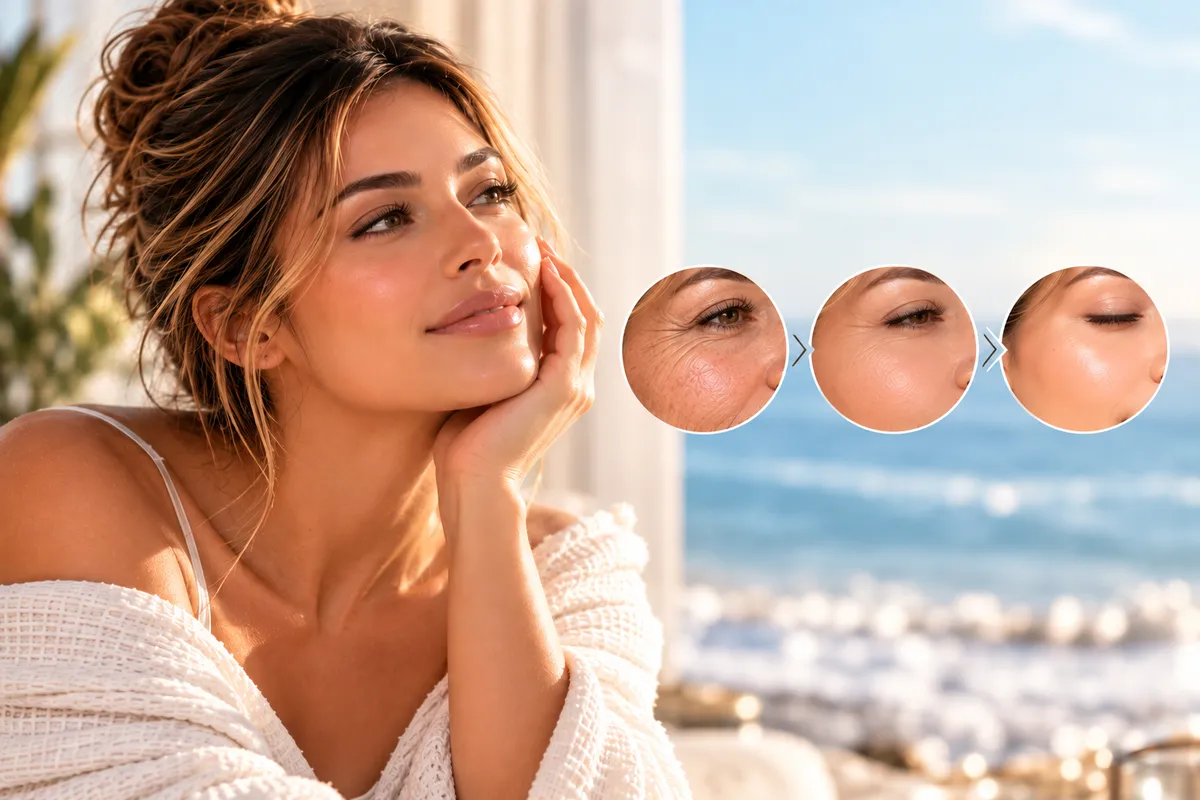
Today, a different approach is gaining attention. Instead of waiting until concerns become more noticeable, many people are becoming interested in preventive skincare—building healthy habits and making informed treatment choices before certain signs of skin aging become more pronounced.
This does not mean trying to stop aging altogether. Skin naturally changes over time, and those changes are a normal part of life. Prevention is about protecting skin health, reducing avoidable damage, and supporting the appearance and function of the skin as it matures.
From daily sunscreen and barrier-supporting moisturizers to carefully selected professional treatments, the goal is to create a sustainable approach that evolves with your skin.
At Coastal Wellness Collective, we believe that thoughtful aesthetic care begins with understanding your skin today while making informed choices for the future.
1. Why Preventive Skincare Is Gaining Attention
Preventive skincare reflects a broader shift in how people think about beauty and wellness. Rather than focusing exclusively on dramatic, short-term changes, the conversation increasingly includes consistency, skin quality, personalized care, and long-term maintenance.
Several factors help explain this shift.
People Are Learning More About Skin Aging
Skin aging involves several overlapping processes. Over time, the skin naturally becomes thinner and drier, and its structure changes. Genetics, hormonal changes, and individual biology influence how these changes appear.
Environmental factors also matter. Ultraviolet (UV) radiation from sunlight contributes to photoaging, which can include wrinkles, uneven pigmentation, and changes in skin texture.
The American Academy of Dermatology recommends practical measures to reduce premature skin aging, including daily sun protection, gentle cleansing, and moisturizing. These habits support skin health without requiring an elaborate routine.
Prevention Can Begin Before Visible Changes Become a Concern
You do not need to wait for prominent wrinkles or dark spots before caring for your skin.
Daily sunscreen, a suitable moisturizer, and a gentle cleansing routine can be valuable at different ages. Other products and professional treatments may become relevant depending on your skin concerns, medical history, and goals.
There is no universal age when everyone should begin preventive aesthetic treatments. The best starting point is an assessment of your current needs—not pressure to follow a trend.
Natural-Looking Results Are a Priority for Many People
Some people prefer gradual, conservative treatment plans rather than making several major changes at once.
A prevention-focused approach can prioritize maintaining skin quality, addressing specific concerns thoughtfully, and reassessing goals over time.
Importantly, preventive treatments are optional. You can care for aging skin effectively without injectables or in-office procedures.
2. Understanding What Happens as Skin Ages
A preventive approach becomes easier to understand when you know what changes beneath the surface.
Collagen and Elastin Gradually Change
Collagen provides structural support to the skin, while elastin contributes to its ability to stretch and return toward its original shape.
As skin ages, changes in these structural proteins contribute to reduced firmness, fine lines, and changes in elasticity. Sun exposure can accelerate some of these changes.
Although certain skincare ingredients and professional procedures may improve the appearance of aging skin, no product or treatment can permanently stop the natural aging process.
Skin May Become Drier
As people age, changes in skin structure and barrier function can make dryness more noticeable. Some people also experience increased sensitivity or find that products they previously tolerated become irritating.
A moisturizer suited to your skin can help reduce water loss and improve softness. Ingredients such as ceramides, glycerin, and other emollients may support a comfortable, healthy-looking skin barrier.
Uneven Pigmentation and Texture May Become More Visible
Sun exposure and the natural aging process can contribute to dark spots, uneven tone, roughness, and fine lines.
These changes do not occur at the same rate for everyone. Genetics, skin tone, cumulative sun exposure, hormones, and lifestyle factors all influence the appearance of aging skin.
Understanding your individual concerns is more useful than assuming that every sign of aging requires the same treatment.
3. The Most Important Preventive Step: Daily Sun Protection
If there is one habit to prioritize in a preventive skincare routine, it is protecting your skin from the sun.
Ultraviolet exposure contributes to premature skin aging and increases the risk of skin cancer. Sun protection helps address both concerns.
The American Academy of Dermatology recommends using a broad-spectrum, water-resistant sunscreen with SPF 30 or higher, along with shade and protective clothing. Reapply sunscreen at least every two hours while outdoors and after swimming or sweating, following the product directions.
Make Sunscreen Part of Your Everyday Routine
Sun protection is relevant even when you are not spending the day at the beach. Everyday activities, such as driving, walking the dog, or sitting outdoors, can contribute to cumulative exposure.
For a routine that is easier to maintain:
Apply sunscreen to exposed skin as directed each morning.
Choose a formula you enjoy wearing so you are more likely to use it consistently.
Wear a wide-brimmed hat and protective clothing when appropriate.
Seek shade when possible, particularly during periods of intense sun.
Avoid tanning beds and intentional tanning.
For people living in sunny coastal areas such as St. Petersburg, Florida, making sun protection a daily habit is especially practical.
Remember: Sunscreen is not just a product for preventing wrinkles. It is a foundational part of skin health.
4. Build a Skincare Routine That Supports Long-Term Skin Health
An effective preventive routine does not have to be complicated or expensive. Consistency and suitability matter more than the number of products on your shelf.
Gentle Cleansing
Choose a cleanser that removes sunscreen, makeup, oil, and daily buildup without leaving your skin feeling stripped.
Aggressive scrubbing and frequent use of irritating products can compromise skin comfort and make redness or dryness more noticeable.
Moisturizing and Skin-Barrier Support
Moisturizers help maintain hydration, soften the skin, and reduce water loss. Ingredients such as ceramides and glycerin can be useful components of a routine, depending on your skin type and needs.
A healthy skin barrier supports comfort and helps protect against environmental irritants. If your skin is persistently dry or sensitive, simplifying your routine may be more helpful than introducing additional active ingredients.
Consider Retinoids When Appropriate
Retinoids, including retinol, are vitamin A derivatives used in skincare. Depending on the formulation, they may help improve the appearance of fine lines, uneven pigmentation, and certain forms of acne.
However, retinoids can also cause dryness, irritation, and peeling, particularly when introduced too quickly. Start cautiously, follow product instructions, and seek professional advice if you have sensitive skin or an existing skin condition.
Topical retinoids should generally be avoided during pregnancy or when trying to become pregnant; consult your healthcare professional for guidance.
Retinoids are not necessary for everyone. A suitable routine should reflect your skin's tolerance and priorities rather than the latest trend.
Avoid Doing Too Much at Once
Using several strong active ingredients simultaneously may increase irritation without delivering better results.
Introduce new products gradually, monitor how your skin responds, and give appropriate products time to work. If something causes persistent burning or irritation, stop using it unless your prescribing professional has advised otherwise.
5. Collagen Preservation: What Prevention Can—and Cannot—Do
Collagen has become a major topic in preventive skincare, particularly among people interested in maintaining firmness and reducing the appearance of fine lines.
It is important, however, to distinguish between supporting skin health and promising to preserve collagen indefinitely.
Focus on Habits That Reduce Avoidable Damage
Daily sun protection is one of the most practical ways to help limit UV-related damage to the skin's structural proteins.
Avoiding smoking, following a balanced diet, getting sufficient sleep, and maintaining general health are also sensible components of a long-term wellness routine.
These habits support overall health and may contribute to healthier-looking skin, but they cannot eliminate natural aging or guarantee a particular cosmetic outcome.
Be Selective About Collagen Products
Collagen supplements are widely marketed for skin health, but the evidence is mixed. Some studies report improvements in certain skin measurements, while questions remain about study quality, funding, product differences, and the consistency of benefits.
It is not appropriate to assume that every collagen supplement will produce visible results or prevent wrinkles.
A balanced diet and appropriate sun protection are more reliable foundations than relying on a supplement marketed as a shortcut to youthful skin.
Professional Treatments Require Individual Assessment
Some professional procedures are designed to improve the appearance of fine lines, texture, or other signs of aging. Depending on the treatment, they may influence processes involved in skin remodeling.
However, treatments differ in their evidence, risks, downtime, and suitability. More intensive procedures are not automatically better for preventive care.
The best approach is to discuss your goals, medical history, skin type, and tolerance for downtime with a qualified provider before choosing a procedure.
6. Preventive Aesthetic Treatments: When Do They Make Sense?
Preventive skincare and preventive aesthetic treatments are not the same thing.
A daily sunscreen and moisturizer routine is a foundational approach to skin care. Professional treatments are optional additions that may be appropriate for specific concerns.
Depending on your needs, a consultation may explore the following options.
Personalized Facials and Hydradermabrasion
Professional facials and hydradermabrasion treatments are designed to address concerns such as surface texture, dullness, and the appearance of dehydration.
For example, Glacē™ Hydradermabrasion combines professional exfoliation with hydro-infusion and other treatment steps. It may be an option for people seeking smoother, more hydrated-looking skin, depending on their skin condition and treatment goals.
These treatments do not stop biological aging or replace daily sun protection.
Skin-Resurfacing and Collagen-Targeting Procedures
Certain procedures, including microneedling and selected energy-based treatments, are used to improve the appearance of specific concerns, such as fine lines, texture, or acne scars.
They may involve downtime and risks, including irritation, pigmentation changes, or infection. The FDA advises patients considering microneedling to discuss benefits and risks with a specially trained healthcare provider and confirm that the treatment is appropriate for them.
Some procedures are unsuitable for certain skin conditions or may require careful planning based on skin tone, medical history, and medications.
Neuromodulators and Dermal Fillers
Neuromodulators and dermal fillers serve different purposes.
Neuromodulators may temporarily soften the appearance of certain expression-related lines by reducing muscle activity in the treated area. Dermal fillers may restore volume or improve the appearance of selected facial contours.
Neither treatment is necessary to age well, and they do not prevent every aspect of skin aging. Suitability, timing, and expected outcomes should be discussed with a qualified medical professional.
Why Personalized Planning Matters
A treatment plan should begin with a specific concern—not an assumption that everyone needs the same procedure at the same age.
A provider can help determine whether a treatment is appropriate now, whether a simpler skincare approach may be sufficient, or whether waiting is the better choice.
Preventive care should feel informed and intentional, not driven by fear of getting older.
7. Your Lifestyle Is Part of Your Skincare Strategy
Products and procedures are only one part of a broader approach to skin health.
Daily habits can support your overall well-being and make it easier to maintain a consistent skincare routine.
Prioritize Sleep
Consistent sleep supports overall health and may influence how refreshed your skin looks. Try to maintain a regular sleep schedule and create a relaxing bedtime routine.
Eat a Balanced Diet
Include a variety of fruits, vegetables, protein sources, whole grains, and healthy fats according to your individual needs.
No single food can prevent wrinkles, but a balanced eating pattern supports general health and provides nutrients involved in normal skin function.
Stay Physically Active
Regular physical activity supports cardiovascular health, sleep, mood, and overall wellness. Choose activities you enjoy and can maintain consistently.
Manage Stress in Sustainable Ways
Stress management is not a substitute for skincare, but stress can influence sleep, daily habits, and some existing skin conditions.
Consider walking outdoors, meditation, breathing exercises, time with loved ones, or other routines that help you manage stress.
Avoid Smoking and Excessive Sun Exposure
Smoking and UV exposure are important preventable contributors to premature skin aging. Avoiding smoking and protecting your skin from the sun are meaningful long-term choices.
The goal is not to create a perfect lifestyle. It is to build habits that are realistic enough to continue.
8. How to Create Your Own Preventive Skincare Plan
A practical plan should fit your current skin concerns, lifestyle, budget, and preferences.
Here is a simple starting framework.
Step 1: Establish the basics. Begin with gentle cleansing, a suitable moisturizer, and broad-spectrum SPF 30 or higher.
Step 2: Identify your main concern. Decide whether you are most interested in addressing uneven tone, dryness, acne, fine lines, texture, or another specific issue.
Step 3: Add targeted products carefully. Consider ingredients suited to that concern, and introduce them gradually to minimize irritation.
Step 4: Review your habits. Look at sun exposure, sleep, smoking, stress, and other factors that may affect your skin and general health.
Step 5: Consider professional guidance. If you are interested in aesthetic treatments, arrange a consultation to discuss suitability, realistic expectations, risks, and recovery.
Step 6: Reassess rather than constantly change. Your skin can change with age, seasons, hormones, and other factors. Review your routine periodically and adjust when there is a clear reason to do so.
This approach keeps prevention focused on what your skin needs now, while allowing room for future changes.
9. The New Philosophy of Aging Skin: Consistency Over Perfection
Preventive skincare is not about trying to look younger at every stage of life. It is about caring for your skin in ways that support its health, comfort, and appearance over time.
That may mean wearing sunscreen consistently, choosing a moisturizer that works for you, using fewer irritating products, or seeking professional advice about a specific concern.
For some people, professional aesthetic treatments will be part of that journey. For others, a simple home routine will be enough.
There is no single definition of aging well, and there is no need to begin treatments simply because they are popular.
The most effective preventive plan is one that reflects your individual needs, respects the natural aging process, and remains sustainable over the long term.
Frequently Asked Questions
At what age should you start preventive skincare?
Basic preventive skincare, including sunscreen, gentle cleansing, and moisturizing, is appropriate long before visible signs of aging appear. There is no universal age for beginning aesthetic procedures. Professional treatments should be considered according to individual concerns, suitability, and informed preference.
What is the best treatment for preventing wrinkles?
There is no single treatment that prevents all wrinkles. Daily sun protection is one of the most important preventive steps. Moisturizers can reduce the appearance of some fine lines, while retinoids and selected professional treatments may help address specific concerns.
Can you prevent collagen loss?
You cannot completely prevent natural changes in collagen as you age. However, protecting your skin from UV exposure and maintaining healthy habits can help reduce avoidable damage. Products and procedures may improve certain signs of aging, but results vary.
Are preventive aesthetic treatments necessary?
No. Preventive aesthetic treatments are optional. A consistent skincare routine and sun protection provide a strong foundation. Professional treatments may be considered if you have specific goals and are an appropriate candidate.
Is it better to prevent skin aging or treat it later?
Prevention and treatment serve different purposes and can complement one another. Preventive habits help reduce avoidable damage, while treatments may address existing concerns. It is never too late to improve your skincare routine or seek professional guidance.
How often should I review my skincare routine?
Review your routine when your skin changes, when you introduce a new concern, or when a product causes irritation. A periodic review can also help you decide whether your current products remain appropriate. Avoid changing everything at once without a clear reason.
Start Your Skin Wellness Journey with Coastal Wellness Collective
A thoughtful approach to aging skin begins with small, consistent choices. With daily sun protection, appropriate skincare, healthy habits, and individualized professional guidance, you can build a routine that supports your skin at every stage.
At Coastal Wellness Collective, we believe aesthetic care should be personalized, educational, and aligned with your goals—not based on pressure to look a certain age.
Explore our skincare and aesthetic services at CoastalWellnessStPete.com or call 727-209-7110 to schedule a consultation and discuss options suited to your skin.
Disclaimer: This article is for educational purposes only and is not intended to diagnose, treat, cure, or prevent any medical condition. Skincare products and aesthetic procedures have different benefits, risks, and limitations. Individual results vary. Consult a qualified healthcare professional for personalized advice, particularly before starting active skincare ingredients or undergoing a procedure.
References & Further Reading
American Academy of Dermatology (AAD):11 Ways to Reduce Premature Skin Aging
American Academy of Dermatology (AAD):How to Select Anti-Aging Skin Care Products
American Academy of Dermatology (AAD):Retinoid or Retinol?
U.S. Food and Drug Administration (FDA):Microneedling Devices: Benefits, Risks and Safety

Amenties
Spa-like finishes and natural light
High quality, sound-mitigating construction
Client waiting area
Long-term and flexible hourly rentals
Break room for decompressing

Get in touch
One Collective Spa located near Tampa Bay Beaches!
4004 Park St N, St. Petersburg, FL 33709
Coastal Wellness Collective is a curated wellness sanctuary offering premium Aesthetic and Wellness services all-in-one, restorative experience for clients. Our community brings together experts dedicated to elevating the well-being of others.


© Copyright 2025. Coastal Wellness Collective. All rights reserved.