
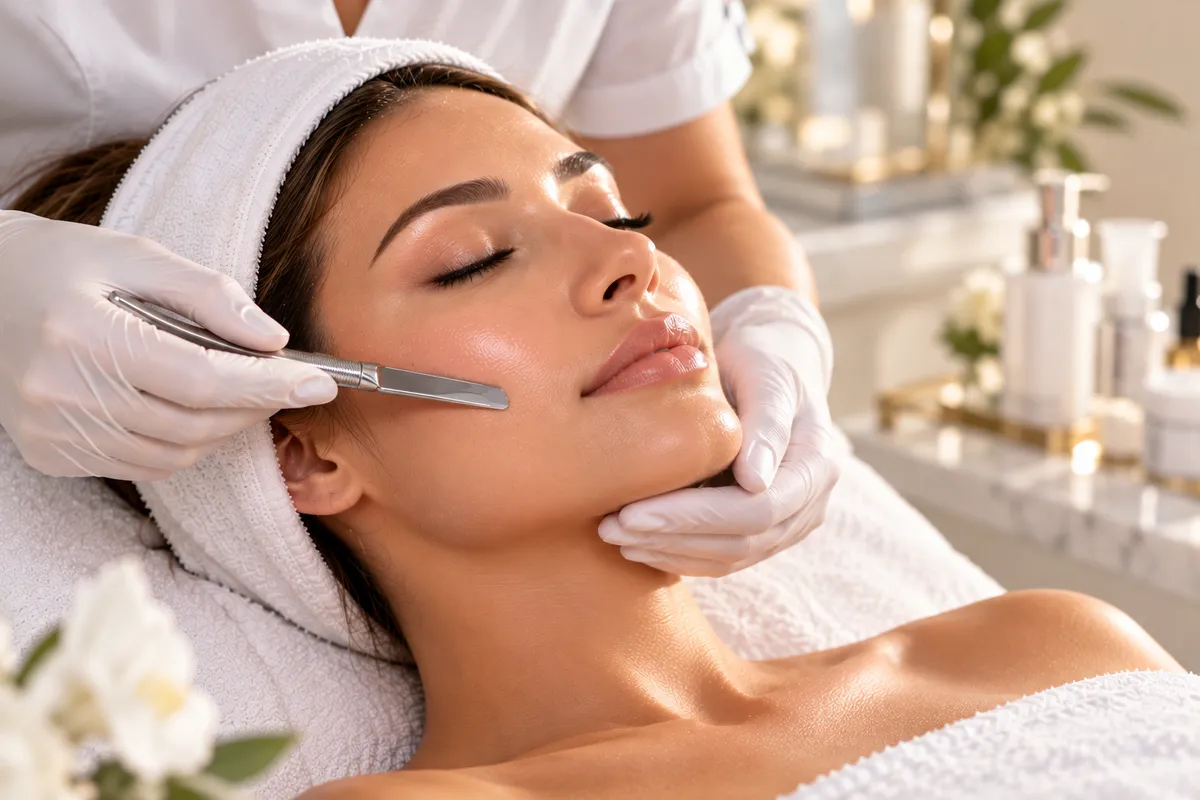
Why Dermaplaning Is Popular for a Fresh Skin Look
Why Dermaplaning Is Popular for a “Fresh Skin” Look
Introduction: The Beauty of Fresh-Looking Skin
The beauty conversation is shifting toward skin that looks healthy, smooth, and naturally radiant. Instead of relying entirely on full-coverage makeup, many people are exploring professional skincare treatments that help create a more refined-looking complexion.
One treatment that fits this approach is dermaplaning.
Known for removing fine facial hair and superficial dead skin cells, dermaplaning can leave the skin feeling noticeably smoother. It may also help makeup sit more evenly, making it an appealing option before a special event or as part of a personalized skincare routine.
But what makes dermaplaning so popular for a “fresh skin” look? Is it right for everyone, and what should you know before booking?
At Coastal Wellness Collective in St. Petersburg, Florida, we believe the best skincare choices start with understanding what a treatment can realistically offer—and how it fits your individual skin needs.
What Is Dermaplaning?
Dermaplaning is a professional exfoliation treatment that uses a specialized blade, handled by a trained provider, to gently remove superficial dead skin cells and fine facial hair known as vellus hair, or peach fuzz.
By refining the outer surface of the skin, the treatment can create a smoother-feeling complexion and temporarily improve the appearance of dullness and rough texture.
People often choose dermaplaning because they want to:
Remove fine facial hair.
Improve the feel of superficial skin texture.
Refresh the appearance of a dull complexion.
Create a smoother-looking base for makeup.
Include professional exfoliation in their skincare routine.
Dermaplaning is a surface-level treatment. It does not permanently remove hair, eliminate deep acne scars, or address every cause of uneven skin tone. Its results are cosmetic and temporary, and individual responses vary.
6 Reasons Dermaplaning Is Popular for a Fresh Skin Look
1. It Helps Create a Smoother Skin Surface
One of the main reasons people consider dermaplaning is the smooth feeling afterward.
Dead skin cells can accumulate on the skin's surface, contributing to a rough or uneven feel. Professional dermaplaning removes some of this superficial buildup along with fine facial hair.
The result may be a softer-feeling complexion with a more refined appearance.
However, not all texture concerns come from dead skin cells. Enlarged pores, acne scars, and deeper skin irregularities may require other treatments. A professional assessment can help determine whether dermaplaning is likely to meet your goals.
2. It Removes Fine Facial Hair
Fine facial hair is completely normal, but some people prefer the appearance and feel of skin without it.
Dermaplaning removes these fine hairs from the skin's surface. This can make the complexion feel smoother and may reduce the appearance of fine facial hair under certain lighting or makeup.
One common concern is whether the hair will grow back thicker or darker.
Dermaplaning does not change the hair follicle or make facial hair grow thicker. As the hair grows back, its cut end may initially feel a little different, but the treatment does not change its natural growth pattern.
If you notice new, coarse, or excessive facial hair, consider discussing it with a healthcare professional rather than assuming it is related to dermaplaning.
3. It Can Help Makeup Apply More Evenly
A smooth-looking base can make a difference when applying foundation, tinted moisturizer, or other complexion products.
Because dermaplaning removes fine facial hair and superficial dead skin cells, some people find that makeup glides on more evenly afterward.
This can be especially appealing before:
Weddings and engagement photos
Professional photoshoots
Holiday parties and celebrations
Special dinners and milestone events
Other occasions when you want a polished makeup look
Still, dermaplaning does not guarantee flawless makeup. Hydration, product selection, application technique, and your natural skin texture all influence the final result.
If you have an important event approaching, schedule your treatment in advance and ask your provider how much time to allow for possible redness or sensitivity.
4. It May Help Dull Skin Look More Radiant
Dullness can have several causes, including dehydration, accumulated surface cells, sun exposure, and irritation.
When surface buildup contributes to a lackluster appearance, appropriate exfoliation may help the complexion look fresher and brighter.
Dermaplaning can offer a temporary improvement in the appearance of superficial dullness. However, it is not a substitute for daily sun protection, adequate moisturization, or treatment of underlying skin concerns.
A radiant-looking complexion is often the result of consistent skincare rather than a single procedure.
5. It Fits Into a Personalized Skincare Routine
Dermaplaning does not need to be treated as an isolated beauty trend. For appropriate candidates, it may be incorporated into a broader skincare plan.
Depending on your skin condition and goals, your provider may recommend it alongside a simple routine that includes:
Gentle cleansing
A moisturizer suited to your skin
Broad-spectrum SPF 30 or higher
Carefully selected skincare ingredients
Other professional treatments when appropriate
The key is choosing compatible treatments and avoiding unnecessary exfoliation.
More treatments do not automatically mean better skin. Combining dermaplaning with chemical peels, retinoids, or other exfoliating methods without appropriate guidance may increase irritation.
6. It Supports a More Minimal Makeup Approach
A fresh skin look is often associated with lightweight makeup, natural-looking radiance, and letting more of your complexion show through.
Dermaplaning may complement this aesthetic by removing fine facial hair and smoothing superficial texture. For people who enjoy tinted moisturizer, light foundation, or a simple everyday makeup routine, that can be an appealing benefit.
However, the treatment is not essential for achieving a natural makeup look. Healthy-looking skin can be maintained through a variety of routines, and dermaplaning is only one optional tool.
The best approach is the one that feels comfortable, fits your budget, and supports your skin's needs.
Dermaplaning Before and After: What Can You Realistically Expect?
Dermaplaning is often described as a treatment for instantly smooth skin, but understanding its limitations helps set realistic expectations.
Immediately After Treatment
Depending on your skin's sensitivity and the technique used, your skin may feel smoother and look refreshed. Some people experience temporary redness, tenderness, or sensitivity.
Not everyone will have the same response.
Over the Following Days
Your skin may settle without significant visible downtime, but irritation can occur. Gentle skincare and sun protection are important, and your provider may advise you to pause certain active ingredients temporarily.
As Facial Hair Grows Back
The fine hair gradually returns. Dermaplaning does not permanently remove it, so any cosmetic improvement related to hair removal is temporary.
What Dermaplaning Cannot Guarantee
Dermaplaning cannot guarantee poreless skin, permanent radiance, the elimination of acne, or the removal of deep scars. It also does not stop the natural aging process.
If your main concerns are persistent acne, significant pigmentation, deep textural changes, or pronounced fine lines, your provider may recommend a different approach.
Is Dermaplaning Suitable for Every Skin Type?
No. Even though dermaplaning is a superficial procedure, it is not appropriate for every person or every skin condition.
A qualified provider should evaluate your skin before treatment, particularly if you have a history of sensitivity or pigmentation changes.
Dermaplaning may need to be postponed or avoided if you have:
Active, inflamed acne
An eczema or dermatitis flare
Sunburn, open wounds, or significant irritation
An active cold sore outbreak
Certain skin growths or lesions in the treatment area
A history of unusual scarring or reactions to skin procedures
If you have darker skin or are prone to developing dark marks after inflammation, discuss this with your provider. Irritation can trigger post-inflammatory hyperpigmentation in susceptible individuals.
Your provider should also know about prescription skincare, medications, recent cosmetic treatments, and previous reactions to exfoliation.
If dermaplaning is not a good fit, a gentle customized facial or another approach may better support your goals.
How to Care for Your Skin After Dermaplaning
Aftercare helps support comfort and reduces the chance of unnecessary irritation.
Keep Your Routine Gentle
Use a mild cleanser and a moisturizer you already tolerate. Avoid scrubbing, rubbing, or picking at the treated skin.
Be Careful With Active Ingredients
Your provider may recommend temporarily pausing retinoids, exfoliating acids, benzoyl peroxide, or other potentially irritating products. Follow individualized instructions rather than restarting everything immediately.
Protect Your Skin From the Sun
Use broad-spectrum SPF 30 or higher and limit excessive sun exposure. Sun protection is an essential part of maintaining healthy-looking skin, particularly after exfoliation.
Avoid Additional Exfoliation
Do not immediately follow dermaplaning with a scrub, exfoliating brush, at-home blade, or another resurfacing treatment unless your provider specifically advises that it is appropriate.
Watch for Unexpected Symptoms
Contact your provider if you experience worsening redness, significant pain, swelling, blistering, or signs of infection.
If your skin becomes irritated, resist the temptation to apply more products to correct it. A simpler routine and professional guidance are often the better next steps.
How Often Should You Get Dermaplaning?
There is no single schedule that works for everyone.
The appropriate interval depends on your skin's sensitivity, how it responds to the procedure, your other skincare treatments, and your goals.
Some people choose occasional sessions before special events, while others discuss periodic appointments as part of a broader skincare routine.
Your provider should consider how well your skin has recovered before recommending another session. Avoid frequent exfoliation simply to maintain a particular look.
If you notice persistent tightness, stinging, redness, or flaking, your skin may need a break from exfoliation.
Dermaplaning vs. Other Facial Treatments
Dermaplaning is not the only way to achieve a refreshed complexion. Other treatments may be more appropriate depending on your concerns.
Treatment | Main focus | Considerations |
|---|---|---|
Dermaplaning | Removes superficial dead skin cells and fine facial hair | May leave skin smoother; can cause temporary irritation |
Customized facial | Cleansing, hydration, and selected skincare steps | Can be tailored to individual skin needs |
Glacē™ Hydradermabrasion | Technology-assisted exfoliation and hydration-focused facial care | Treatment settings and suitability depend on your skin |
Chemical peel | Controlled chemical exfoliation at a selected depth | Strength and recovery vary; professional assessment is important |
No single treatment is best for everyone. A consultation can help determine which option fits your skin condition, preferences, and expected downtime.
Why Professional Guidance Matters
The popularity of dermaplaning can make it seem like a simple beauty step, but technique and skin assessment still matter.
Professional treatment allows a trained provider to evaluate whether your skin is suitable, use appropriate equipment and hygiene practices, and give you individualized aftercare guidance.
This is particularly important if you have active breakouts, sensitive skin, pigmentation concerns, or an established routine involving prescription products.
At-home facial shaving tools are not equivalent to professional dermaplaning. Avoid attempting a professional-style procedure yourself, especially over inflamed skin or while using products that may increase irritation.
A thoughtful approach prioritizes skin health over chasing immediate results.
Discover Personalized Skincare at Coastal Wellness Collective
A fresh skin look does not have to mean a complicated routine or an aggressive treatment plan.
At Coastal Wellness Collective in St. Petersburg, Florida, professional skincare begins with understanding your goals and assessing what your skin needs. Whether you are exploring dermaplaning, customized facials, or Glacē™ Hydradermabrasion, the right approach should reflect your individual skin condition, sensitivity, and preferences.
Our goal is to help you make informed choices about treatments that may support a smoother, refreshed, and healthy-looking complexion.
Ready to Explore Dermaplaning?
Schedule a consultation with Coastal Wellness Collective to discuss whether professional dermaplaning is appropriate for your skincare goals.
Website:CoastalWellnessStPete.com
Phone: 727-209-7110
Give your skin a thoughtful approach to renewal—one that puts skin health first.
Frequently Asked Questions
1. Why is dermaplaning popular?
Dermaplaning is popular because it removes fine facial hair and superficial dead skin cells, leaving the skin feeling smoother. It may also help makeup apply more evenly and temporarily improve the appearance of dullness.
2. Does dermaplaning make your skin glow?
Some people notice a fresher, brighter-looking complexion after treatment because superficial dead skin cells have been removed. Results vary, and dermaplaning does not guarantee a lasting glow.
3. Does dermaplaning make facial hair grow back thicker?
No. Dermaplaning removes hair at the skin's surface and does not change the follicle. Hair may feel slightly different as it grows back because its tip has been cut, but the treatment does not make it grow thicker or darker.
4. Is dermaplaning good before makeup?
It may help makeup apply more evenly by removing fine facial hair and superficial dead skin cells. If you have a special event, plan ahead and leave time for possible irritation to settle.
5. Can dermaplaning help with acne?
Dermaplaning is not an acne treatment and may aggravate active, inflamed breakouts. If you have persistent acne, consult a qualified healthcare professional about suitable options.
6. How long do dermaplaning results last?
The smoother feel and hair-removal effects are temporary. How long you notice them depends on your skin, hair growth, and individual response. Your provider can advise whether and when another session may be appropriate.
7. Is dermaplaning safe for sensitive skin?
Not always. Sensitive or inflamed skin may be more prone to irritation. A professional assessment can help determine whether dermaplaning is appropriate or whether a gentler treatment would be preferable.
8. What should I do after dermaplaning?
Use gentle skincare, moisturize, protect your skin from the sun, and follow your provider's instructions about when to resume active ingredients. Avoid additional exfoliation until your provider says it is appropriate.
Medical Disclaimer
This article is for educational purposes only and does not constitute medical advice, diagnosis, or treatment. Dermaplaning is not suitable for everyone and may cause irritation, cuts, infection, scarring, or pigment changes. Results vary by individual. Consult a qualified healthcare professional or appropriately trained provider before treatment, disclose relevant medical history and medications, and follow all pre- and post-treatment instructions.
References and Further Reading
Cleveland Clinic — Dermaplaning: What It Is, Benefits & Side Effects
Cleveland Clinic — Is It OK to Try Dermaplaning at Home?
American Academy of Dermatology — How to Safely Exfoliate at Home
American Academy of Dermatology — Skin Care Basics

Amenties
Spa-like finishes and natural light
High quality, sound-mitigating construction
Client waiting area
Long-term and flexible hourly rentals
Break room for decompressing

Get in touch
One Collective Spa located near Tampa Bay Beaches!
4004 Park St N, St. Petersburg, FL 33709
Coastal Wellness Collective is a curated wellness sanctuary offering premium Aesthetic and Wellness services all-in-one, restorative experience for clients. Our community brings together experts dedicated to elevating the well-being of others.


© Copyright 2025. Coastal Wellness Collective. All rights reserved.