
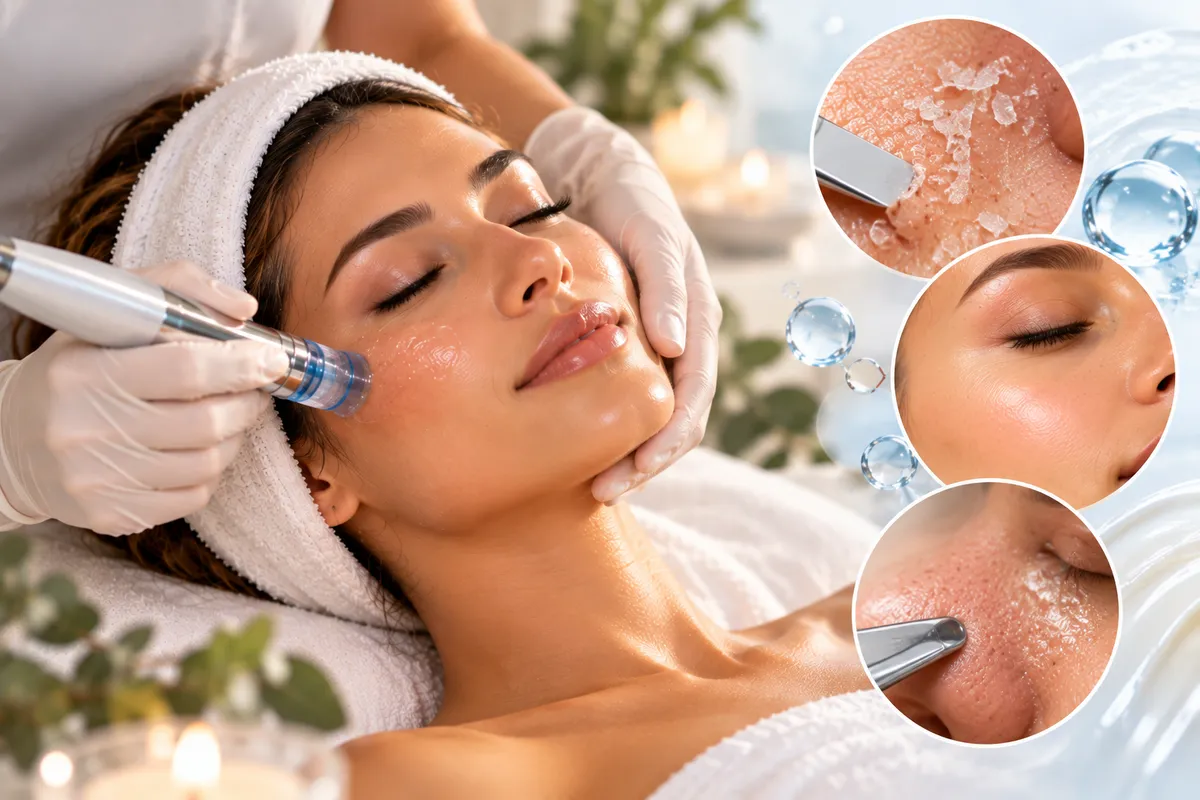
How Professional Exfoliation Supports Skin Renewal | Coastal Wellness
How Professional Exfoliation Supports Skin Renewal
Introduction: A Fresh Perspective on Skin Renewal
Healthy-looking skin is not just about the products you apply. It also depends on how well your skin maintains its natural protective barrier, sheds older surface cells, and responds to environmental stressors.
Over time, dead skin cells can accumulate on the skin's surface, contributing to a complexion that looks dull, feels rough, or appears less even in texture. Sun exposure, aging, dehydration, and certain skincare habits can also affect the way your skin looks and feels.
This is where professional exfoliation may play a valuable role in a personalized skincare routine.
Unlike aggressive scrubbing or experimenting with multiple exfoliating products at home, professional exfoliation is selected according to your skin type, current condition, and individual goals. Depending on the treatment, it may help improve the appearance of uneven texture, dullness, congestion, and certain forms of discoloration.
At Coastal Wellness Collective in St. Petersburg, Florida, the goal is to approach skin renewal thoughtfully—supporting a smoother, more radiant-looking complexion without compromising the skin's natural barrier.
What Is Professional Exfoliation?
Exfoliation is the process of removing dead cells from the outermost layer of the skin. It can help refine the skin's surface and improve the appearance of texture and radiance when performed appropriately.
Professional exfoliation uses specialized techniques, products, or equipment selected by a qualified skincare professional.
Common approaches include:
Chemical exfoliation: Uses carefully selected acids or other exfoliating ingredients to loosen the bonds between surface skin cells.
Mechanical exfoliation: Uses controlled physical methods to remove superficial dead skin cells.
Microdermabrasion: Uses a specialized device to exfoliate the outermost skin layer.
Dermaplaning: Uses a sterile surgical blade handled by a trained professional to remove superficial dead skin cells and fine facial hair.
Hydradermabrasion: Combines exfoliation with fluid-based cleansing and hydration-focused treatment steps.
Chemical peels: Use specific chemical solutions to exfoliate the skin at a selected depth, depending on the formulation and treatment plan.
Each approach works differently. A gentle hydrating facial, a dermaplaning session, and a chemical peel are not interchangeable treatments, and they may not be appropriate for the same skin concerns.
The best option depends on your skin's current condition, sensitivity, medical history, and desired outcome.
Why Skin Renewal Matters
Your skin continually renews itself. Older surface cells are gradually shed as new cells move toward the outer layer.
However, the appearance and texture of the skin can change with age, sun exposure, hormonal influences, environmental conditions, and skincare habits.
When surface cells accumulate or the skin becomes dehydrated, you may notice:
A dull or tired-looking complexion
Rough or uneven skin texture
Makeup that appears less smooth
Visible congestion around the nose or forehead
Uneven-looking skin tone
Dry patches or flaking
Fine lines that appear more noticeable when skin is dehydrated
These concerns can have several causes, so exfoliation is not always the answer. For example, persistent flaking may indicate irritation or a compromised skin barrier rather than a need for more exfoliation.
A professional assessment helps distinguish between skin that may benefit from exfoliation and skin that needs a gentler, barrier-focused routine first.
5 Ways Professional Exfoliation May Support Skin Renewal
1. Helps Improve the Appearance of Dull Skin
A buildup of surface cells can contribute to a complexion that looks less luminous. Appropriate exfoliation removes some of those cells, helping the skin appear smoother and brighter.
Some people notice a refreshed appearance after a suitable treatment. However, results depend on the exfoliation method, the condition of the skin, and the underlying cause of dullness.
If dullness is related to dehydration, irritation, or sun damage, exfoliation alone may not address the issue. Hydration, moisturization, daily sun protection, and a consistent skincare routine remain important.
2. Supports Smoother-Looking Skin Texture
Roughness and uneven texture can make the skin feel less refined. Professional exfoliation may help soften the appearance of superficial roughness by removing dead skin cells from the surface.
Depending on the treatment, it may also improve the appearance of minor texture irregularities over time.
It is important to maintain realistic expectations. Deeper acne scars, pronounced wrinkles, and significant textural changes may require different treatments or a combination of approaches. Surface exfoliation cannot correct every type of skin irregularity.
3. Helps Address Certain Types of Congestion
Dead skin cells, oil, and other material can contribute to clogged pores. Some professional exfoliation treatments are designed to help loosen surface buildup and improve the appearance of congestion.
For example, salicylic acid is an oil-soluble beta hydroxy acid commonly used in acne-focused skincare because of its ability to work within oil-containing pores.
However, acne has multiple contributing factors. Exfoliation is not a universal acne treatment, and excessive exfoliation may worsen inflammation, redness, and breakouts.
If you have persistent acne, painful blemishes, or inflamed skin, a healthcare professional can help determine whether exfoliation is appropriate or whether another treatment is needed.
4. May Improve the Appearance of Uneven Skin Tone
Some professional exfoliation treatments can help reduce the appearance of certain superficial discolorations by encouraging the removal of pigmented surface cells.
Depending on the treatment and your skin's response, this may help improve the appearance of sun spots, uneven tone, and some forms of post-acne discoloration.
Not all pigmentation responds the same way. Melasma and deeper pigment concerns, for example, may require a more specialized treatment plan.
People with darker skin tones or a history of developing dark marks after irritation may be at greater risk of post-inflammatory hyperpigmentation following overly aggressive exfoliation. Treatment selection and provider experience are especially important in these situations.
5. Complements a Personalized Skincare Routine
Professional exfoliation can be one part of a broader skincare strategy.
Your provider may recommend combining an appropriate treatment with gentle cleansing, moisturizer, sun protection, and selected active ingredients at home.
The goal is not to remove as many skin cells as possible. It is to choose an approach that supports your skin's appearance while preserving its protective barrier.
A well-planned routine often prioritizes consistency over intensity.
Professional Exfoliation vs. At-Home Exfoliation
Both professional and at-home exfoliation can have a place in skincare, but they serve different purposes.
Professional exfoliation | At-home exfoliation |
|---|---|
Selected according to your skin condition and goals | Selected and used according to product directions |
May use specialized devices or professionally administered formulations | Usually uses cosmetic scrubs, cleansers, or exfoliating ingredients |
Can be adjusted based on skin response and treatment history | Requires careful attention to frequency and tolerance |
May provide a more targeted approach to certain concerns | Can help maintain a consistent skincare routine |
May involve temporary redness, peeling, or recovery time depending on treatment | Can also cause irritation if used too frequently or incorrectly |
A professional treatment does not automatically mean a stronger treatment is better. The appropriate level of exfoliation depends on what your skin can tolerate and what you are trying to address.
Avoid combining several exfoliating products or treatments simply because you want faster results. Excessive exfoliation can damage the skin barrier and lead to redness, stinging, dryness, and worsening breakouts.
Important: Strong chemical peels should not be treated as casual at-home skincare. The FDA has warned about serious injuries associated with certain chemical peel products used without appropriate professional supervision.
Which Professional Exfoliation Treatment May Be Right for You?
Different treatments offer different approaches to skin renewal.
Hydradermabrasion
Hydradermabrasion combines controlled exfoliation with fluid-based cleansing and hydration-focused steps. Depending on the system and protocol, it may help improve the appearance of surface texture, congestion, and dullness while leaving the skin feeling refreshed.
At Coastal Wellness Collective, the Glacē™ Hydradermabrasion System offers a technology-assisted approach to facial care. Treatment settings and techniques should be selected according to individual skin needs.
Dermaplaning
Dermaplaning removes superficial dead skin cells and fine facial hair using a specialized blade handled by a trained professional.
The treatment can leave the skin feeling smoother and may help makeup apply more evenly. It is not suitable for every skin condition, particularly when active irritation or certain inflammatory breakouts are present.
Chemical Peels
Chemical peels use specific solutions to exfoliate the skin at a selected depth. Depending on the formulation, they may help improve the appearance of dullness, uneven tone, certain types of acne, and fine lines.
Superficial peels generally involve less recovery than medium or deep peels. Stronger peels can involve significant healing time and greater risk, making appropriate evaluation, professional expertise, and aftercare essential.
Customized Facials
A customized facial may incorporate gentle exfoliation alongside cleansing, hydration, and other skincare steps.
This can be a useful option for people who want a refreshed complexion without automatically choosing a more intensive resurfacing treatment. The exact steps should reflect your skin's sensitivity, current condition, and goals.
Your provider can explain which option is appropriate and whether exfoliation should be postponed until your skin is healthier.
How Often Should You Get Professional Exfoliation?
There is no universal schedule for professional exfoliation.
The ideal frequency depends on several factors:
The type and depth of treatment
Your skin type and sensitivity
Whether you are addressing acne, pigmentation, rough texture, or dullness
Your current home skincare routine
Your history of irritation or post-inflammatory pigmentation
How well your skin recovers after treatment
Some gentle facials may be incorporated into a regular skincare schedule, while chemical peels and other resurfacing treatments may require longer intervals.
Your provider should establish a schedule based on the specific procedure rather than automatically recommending frequent exfoliation.
If your skin becomes persistently tight, irritated, unusually sensitive, or increasingly flaky, additional exfoliation may not be appropriate. Your routine may need to shift toward gentle cleansing, moisturization, and barrier support.
Preparing for a Professional Exfoliation Treatment
A little preparation can help your provider make safer, more informed treatment decisions.
Before your appointment:
Share your skincare routine. Mention retinoids, exfoliating acids, acne products, and any prescription skincare.
Disclose medications and recent procedures. Certain medications or recent treatments may affect sensitivity and healing.
Discuss your skin history. Tell your provider about cold sores, eczema, rosacea, unusual scarring, pigment changes, or previous treatment reactions.
Avoid experimenting with new active products. Follow your provider's instructions about which products to pause and when.
Protect your skin from the sun. Avoid tanning and use broad-spectrum sunscreen.
Ask about downtime. Understand what to expect, including possible redness, peeling, sensitivity, and restrictions after treatment.
Do not discontinue prescribed medication unless the prescribing clinician advises you to do so.
If you have an active infection, sunburn, open skin, or significant irritation, your provider may recommend postponing the procedure.
Aftercare: Protecting Your Skin's Renewal Process
After exfoliation, your skin may be more sensitive than usual. The level of sensitivity depends on the treatment, its depth, and your individual response.
Your aftercare instructions should always reflect the procedure you received. General guidance may include:
Keep Your Routine Gentle
Use a mild cleanser and a moisturizer appropriate for your skin. Avoid scrubbing, picking, or peeling flaking skin.
Pause Irritating Products When Advised
Your provider may recommend temporarily avoiding retinoids, exfoliating acids, benzoyl peroxide, or other potentially irritating products. The timing varies by treatment, so follow your specific instructions.
Use Daily Sun Protection
Apply broad-spectrum SPF 30 or higher and limit unnecessary sun exposure. Protecting your skin from ultraviolet radiation is essential for maintaining results and reducing the risk of additional discoloration.
Allow Your Skin Time to Recover
Redness, dryness, or flaking may occur after some procedures. Do not attempt to speed up the process by exfoliating again.
Contact your provider if you experience severe or worsening pain, swelling, blistering, or other unexpected symptoms. Follow the clinic's guidance on when an in-person assessment is needed.
Why More Exfoliation Does Not Mean Better Skin
One of the most common skincare mistakes is assuming that visible peeling means a treatment is working better.
In reality, the skin's protective barrier helps retain moisture and defend against external irritants. Over-exfoliation can disrupt this barrier, making the skin more vulnerable to irritation and water loss.
Signs that your routine may be too aggressive include:
Burning or stinging when applying familiar products
Persistent redness
Unusual tightness or dryness
Increased sensitivity
Flaking that does not improve
Breakouts that worsen after introducing multiple active ingredients
If these symptoms appear, pause additional exfoliation and seek professional advice. Your skin may need time and a simpler routine rather than another resurfacing treatment.
The most effective approach to skin renewal is not the most aggressive one. It is the approach that fits your skin and can be maintained safely.
Professional Exfoliation at Coastal Wellness Collective
At Coastal Wellness Collective, skin treatments are approached with attention to individual goals, comfort, and skin condition.
Whether you are concerned about dullness, uneven texture, congestion, or a complexion that simply does not look as refreshed as you would like, a consultation can help identify suitable options.
Depending on your needs, your provider may discuss customized facials, Glacē™ Hydradermabrasion, dermaplaning, chemical exfoliation, or other treatments as part of a personalized skincare plan.
The objective is to help you make informed decisions about your skin—not to pursue unnecessary treatments or overcomplicate your routine.
Ready to Explore Your Skin Renewal Options?
Schedule a consultation with Coastal Wellness Collective to discuss your skincare goals and determine which professional treatment may be appropriate for you.
Website:CoastalWellnessStPete.com
Phone: 727-209-7110
Your skin deserves a thoughtful approach that prioritizes both visible results and long-term skin health.
Frequently Asked Questions
1. What does professional exfoliation do for your skin?
Professional exfoliation removes some dead skin cells from the skin's surface. Depending on the treatment, it may help improve the appearance of dullness, rough texture, congestion, and certain types of uneven pigmentation.
2. Is professional exfoliation better than exfoliating at home?
Not necessarily in every situation. Professional treatments may offer more targeted options and individualized oversight, while gentle at-home exfoliation can help maintain a skincare routine. The best choice depends on your skin type, concerns, and tolerance.
3. Can professional exfoliation help with dark spots?
Some treatments may improve the appearance of superficial discoloration. However, the cause of the pigmentation matters. Certain conditions, including melasma, may need specialized management, and aggressive exfoliation can worsen discoloration in susceptible skin.
4. Is professional exfoliation suitable for sensitive skin?
Some people with sensitive skin may tolerate carefully selected, gentle treatments, while others may need to avoid exfoliation until irritation is controlled. A professional assessment can help determine the safest approach.
5. How often should I have a professional exfoliation treatment?
Frequency varies by treatment type, skin condition, and recovery. Follow a schedule recommended for your specific procedure rather than exfoliating at fixed intervals without considering how your skin responds.
6. Can I exfoliate at home after a professional treatment?
You may need to pause at-home exfoliants for a period after treatment. Follow your provider's instructions before restarting acids, scrubs, retinoids, or other active ingredients.
7. Does professional exfoliation make skin peel?
Not always. Some treatments cause little visible peeling, while certain chemical peels may produce noticeable flaking or shedding. The amount of peeling is not a reliable measure of how effective a treatment has been.
8. What should I avoid after professional exfoliation?
Depending on your treatment, you may need to avoid exfoliating products, irritating active ingredients, picking at the skin, tanning, and direct sun exposure. Your provider will explain the appropriate aftercare and recovery timeline.
Medical Disclaimer
This article is intended for educational purposes only and does not constitute medical advice, diagnosis, or treatment. Professional exfoliation and resurfacing procedures may not be suitable for everyone and can involve risks, including irritation, burns, infection, scarring, and pigment changes. Treatment recommendations and results vary by individual. Consult a qualified healthcare professional for personalized guidance, and follow all pre- and post-treatment instructions.
References and Further Reading
American Academy of Dermatology — How to Safely Exfoliate at Home
American Academy of Dermatology — Chemical Peels: Overview
American Academy of Dermatology — Chemical Peels: FAQs
Cleveland Clinic — Chemical Peels: Types, Benefits, Risks, and Recovery
U.S. Food and Drug Administration — FDA Warns Against Certain Chemical Peel Products Without Professional Supervision

Amenties
Spa-like finishes and natural light
High quality, sound-mitigating construction
Client waiting area
Long-term and flexible hourly rentals
Break room for decompressing

Get in touch
One Collective Spa located near Tampa Bay Beaches!
4004 Park St N, St. Petersburg, FL 33709
Coastal Wellness Collective is a curated wellness sanctuary offering premium Aesthetic and Wellness services all-in-one, restorative experience for clients. Our community brings together experts dedicated to elevating the well-being of others.


© Copyright 2025. Coastal Wellness Collective. All rights reserved.