Can Hydrodermabrasion Help Congested Skin? | Coastal Wellness Collective
Can Hydrodermabrasion Help Congested-Looking Skin?
Introduction: When Your Skin Looks Congested, Where Should You Start?
Have you ever looked in the mirror and noticed that your skin appears bumpy, your pores seem more noticeable, or your complexion looks less smooth than usual?
You might describe your skin as congested. Sometimes, that appearance comes from excess oil, dead skin cells, and material accumulating inside pores. In other cases, what looks like congestion may actually be dehydration, irritation, acne, or another skin concern.
Understanding the difference matters because the best approach depends on what is happening beneath the surface.
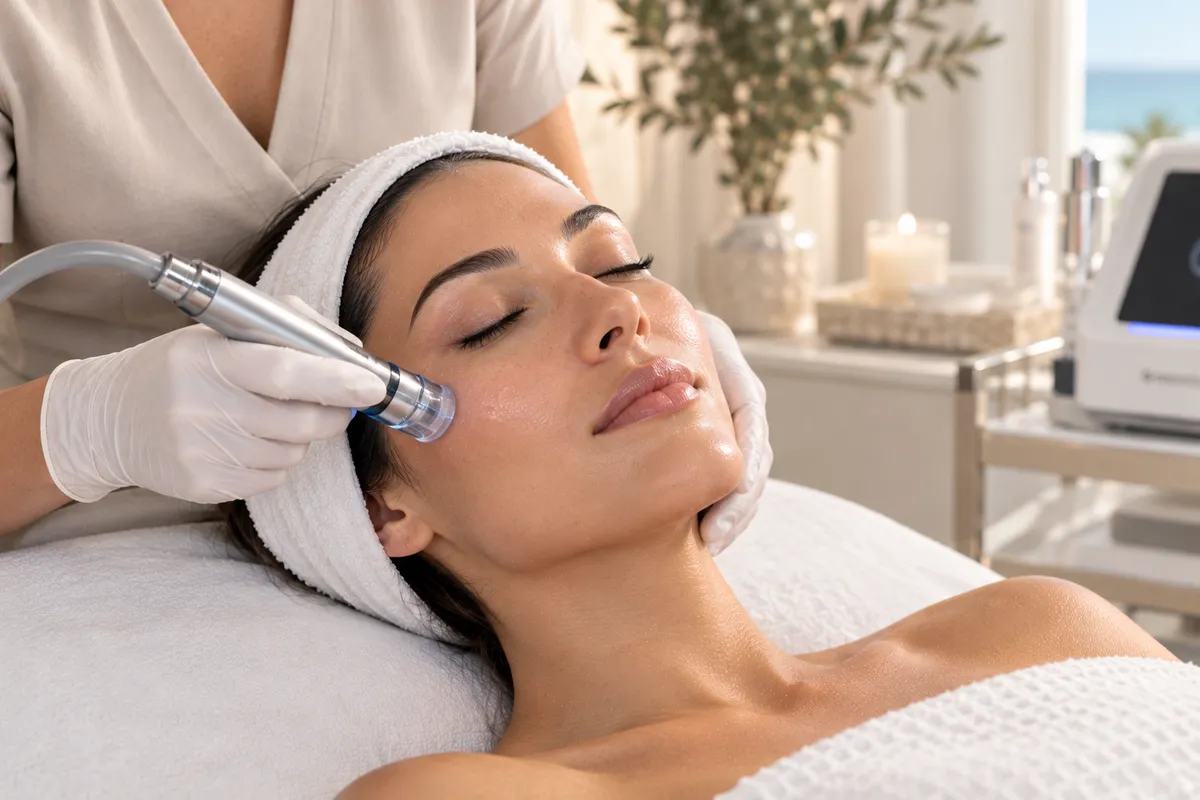
One professional treatment you may encounter while researching your options is hydrodermabrasion. This technique combines mechanical exfoliation with the application of water-based solutions or skincare serums. It is designed to help remove surface buildup while supporting hydration.
At Coastal Wellness Collective in St. Petersburg, Florida, Glacē™ Hydrodermabrasion offers a technology-assisted facial experience that combines exfoliation, serum infusion, and additional finishing techniques.
But can it actually help congested-looking skin? And when might another treatment be more appropriate?
Let's explore what hydrodermabrasion can do, its limitations, and how to determine whether it belongs in your skincare routine.
1. What Does Congested-Looking Skin Actually Mean?
"Congested skin" is a common skincare term, not a formal medical diagnosis. It is often used to describe skin that looks bumpy, uneven, oily, or as though pores are blocked.
Several different concerns can contribute to this appearance.
Clogged pores
Pores can become filled with oil and dead skin cells. When the material remains beneath the skin's surface, it may contribute to closed comedones, which often look like small, skin-colored bumps.
Open comedones, commonly called blackheads, develop when material within a pore is exposed to air and darkens.
Excess oil
Sebum is the natural oil produced by the skin. When oil production is high, the complexion may look shiny, and pores may appear more noticeable.
Oiliness alone does not necessarily mean your skin is dirty or needs more aggressive cleansing.
Surface buildup and uneven texture
Dead skin cells can contribute to a rough or dull-looking complexion. Appropriate exfoliation may help improve the appearance of surface texture, although it will not resolve every cause of bumps or unevenness.
Dehydration and irritation
Skin that feels tight, rough, flaky, or uncomfortable may be dehydrated or irritated rather than congested.
Over-cleansing and excessive exfoliation can compromise the skin barrier and make these symptoms worse.
Why identification matters: Similar-looking concerns can require different approaches. A facial may help improve the appearance of surface buildup, while persistent acne or inflamed bumps may need a dermatologist's assessment and a targeted treatment plan.
2. How Does Hydrodermabrasion Work?
Hydrodermabrasion combines mechanical exfoliation with the application or infusion of water-based solutions and selected skincare ingredients.
The exfoliation step helps remove some dead surface skin cells and buildup. Depending on the device and protocol, the treatment may also help clear some surface impurities while delivering hydrating serums.
The goal is to leave the skin feeling cleaner, smoother, and more hydrated without relying solely on traditional abrasive exfoliation.
How Glacē™ Hydrodermabrasion fits in
Glacē™, developed by Candela, incorporates several techniques into one professional facial experience:
Cleanse and refine: Diamond-tip microdermabrasion helps exfoliate the skin and remove surface buildup.
Sculpt and refresh: A dual-mode cupping massage is designed to support fluid movement and temporarily reduce the appearance of puffiness.
Hydrate and restore: Selected serums are infused as part of the treatment.
Calm and finish: A finishing phase may include a soothing mask and available technologies such as LED therapy or skin-renewal wands, depending on the provider's protocol.
The specific steps and products used depend on the treatment plan.
This combination may appeal to people who want a professional facial focused on exfoliation, hydration, and a refreshed-looking complexion.
However, hydrodermabrasion should not be considered a cure for acne or every type of pore congestion.
3. Can Hydrodermabrasion Help Congested-Looking Skin?
It may help improve the appearance of some types of surface congestion, particularly when dull buildup and uneven texture contribute to the concern.
The important distinction is that improving the appearance of the skin is not the same as treating the underlying cause of persistent acne.
It may help remove surface buildup
Mechanical exfoliation can help remove dead surface skin cells that contribute to a rough or dull appearance.
When appropriate for your skin, this may leave the complexion feeling smoother and looking more refreshed.
It may help improve the appearance of pores
Pores are normal structures that allow oil to reach the skin's surface. They cannot be permanently eliminated, but their appearance may be influenced by oil, buildup, skin texture, and other factors.
A professional exfoliating treatment may help some pores appear less noticeable by removing surface debris. Results vary, and the treatment will not permanently shrink pores.
It may help refresh oily-looking skin
Some hydrodermabrasion protocols are designed for skin that appears oily or congested. The cleansing and exfoliation steps may help remove surface residue and leave the skin feeling refreshed.
That does not mean all oily skin needs exfoliation. Excessive cleansing or harsh treatments can irritate the skin and may make breakouts more difficult to manage.
It may help with dullness and uneven surface texture
When surface buildup contributes to a lackluster complexion, appropriate exfoliation may improve the appearance of smoothness and radiance.
Hydration-focused skincare can also help skin look more supple.
These effects are different from resolving deep acne lesions, significant scarring, or pigmentation that has a cause beyond surface buildup.
The takeaway: Hydrodermabrasion may be a useful part of a personalized skincare plan, but it is not the right solution for every type of congestion.
4. What Hydrodermabrasion May Not Be Able to Do
Professional facials can complement skincare, but realistic expectations are important.
Hydrodermabrasion is not a substitute for medical acne treatment when persistent breakouts or inflammatory lesions are present.
It may not resolve persistent acne
Acne can develop through several interacting processes, including clogged follicles, oil production, inflammation, and the activity of acne-associated bacteria.
A facial may temporarily improve the appearance or feel of the skin, but ongoing acne may require a treatment plan involving dermatologist-recommended topical products, prescription medications, or selected in-office procedures.
It will not permanently eliminate blackheads
Blackheads may return because oil and dead skin cells continue to accumulate in pores.
Long-term management may involve appropriate skincare ingredients and consistent habits rather than relying on repeated extraction or exfoliation alone.
It cannot permanently erase pores or scars
Pore appearance can be influenced by oil, skin structure, age, and other factors. Acne scars involve changes in the skin that may require different professional treatments.
Hydrodermabrasion should not be marketed as a permanent solution for enlarged pores, deep scars, or all forms of uneven texture.
It may not be appropriate for inflamed or sensitive skin
Mechanical exfoliation can aggravate some skin conditions. If your skin is very red, painful, sunburned, broken, or actively inflamed, your provider may recommend postponing treatment.
Sometimes the best first step is to calm irritation and restore the skin barrier before considering exfoliation.
5. Is Glacē™ a Good Option for Your Skin Concerns?
The best way to decide whether Glacē™ Hydrodermabrasion is appropriate is to start with your specific skin goals and current skin condition.
You may want to discuss Glacē™ if:
Your complexion looks dull or feels rough.
You notice surface buildup and uneven texture.
Your skin feels dry or less supple.
You want a professional facial that combines exfoliation and hydration.
You are looking for a technology-assisted facial as part of a maintenance routine.
A different approach may be needed if:
You have frequent or persistent acne breakouts.
You have painful, deep, or inflamed lesions.
Your skin is currently irritated or peeling.
You have a skin condition that may be aggravated by exfoliation.
Your primary concern is deep acne scarring or persistent pigmentation.
A qualified provider can assess your skin and help determine whether Glacē™, a gentler facial, or referral to a dermatologist would be more appropriate.
6. What Should You Expect During a Glacē™ Appointment?
If you and your provider decide that Glacē™ is appropriate, your appointment may involve several treatment phases.
Skin assessment: Your provider discusses your concerns, skincare routine, sensitivities, medications, and recent treatments.
Cleansing and exfoliation: Specialized diamond-integrated tips are used as part of the exfoliation process.
Cupping massage: The dual-mode cupping function is used according to the treatment protocol.
Serum infusion: Selected serums are incorporated to support hydration and complement the exfoliation phase.
Calming finish: The treatment concludes with a finishing phase selected by the provider.
The precise steps may vary. Your provider should explain the planned treatment and answer any questions before beginning.
7. How Should You Care for Your Skin After Hydrodermabrasion?
Aftercare is an important part of maintaining skin comfort and supporting your overall routine.
Keep your skincare gentle. Use a gentle cleanser and a moisturizer suited to your skin.
Protect your skin from the sun. Use broad-spectrum sunscreen with SPF 30 or higher on exposed skin.
Avoid over-exfoliating. Ask your provider when to resume retinoids, exfoliating acids, or other potentially irritating products.
Watch for irritation. Significant or worsening pain, swelling, blistering, or other unexpected symptoms should not be ignored. Contact your provider or seek medical advice as appropriate.
Sun protection is especially important in Florida, where outdoor exposure can occur throughout the year.
8. Everyday Habits That May Help Manage Congested-Looking Skin
Professional treatments are only one part of a skincare routine. Daily habits can also influence oiliness, irritation, and the appearance of pores.
Cleanse gently
Wash your face with a gentle, non-abrasive cleanser, generally up to twice daily and after sweating. Avoid harsh scrubbing, which can irritate the skin.
Choose suitable skincare products
If you are prone to clogged pores, consider products labeled non-comedogenic or oil-free when appropriate for your skin.
Avoid picking at pores
Squeezing blackheads or picking at bumps can increase irritation and the risk of scarring.
Consider targeted ingredients with guidance
Ingredients such as salicylic acid may help some people manage clogged pores and acne. Retinoids may also be recommended for selected acne concerns. These ingredients are not suitable for everyone and can cause irritation.
Be consistent
A simple routine that includes gentle cleansing, appropriate moisturizing, and daily sun protection is often a more sustainable starting point than frequently switching products or adding aggressive exfoliation.
9. How Often Should You Book Hydrodermabrasion?
There is no single schedule that is right for everyone.
Treatment frequency depends on your skin's condition, sensitivity, goals, the specific protocol, and how your skin responds after each session.
Some people may choose periodic professional facials to maintain a smoother, more hydrated appearance. Others may benefit from less frequent treatment or need to address an underlying skin concern first.
More frequent treatment is not automatically better. Your provider should help you determine a schedule that avoids over-treating your skin.
10. Explore Glacē™ Hydrodermabrasion at Coastal Wellness Collective
Congested-looking skin can have several causes, and understanding those causes is the first step toward choosing an appropriate treatment.
Glacē™ Hydrodermabrasion combines professional exfoliation, serum infusion, and additional treatment techniques designed to refresh the skin and support a smoother, more hydrated appearance.
At Coastal Wellness Collective in St. Petersburg, Florida, Glacē™ may be an option for clients looking to incorporate technology-assisted facial care into a personalized skincare routine.
A consultation can help you discuss your concerns, review your current skincare habits, and determine whether hydrodermabrasion is a suitable choice.
If your main concern is persistent acne, painful bumps, or significant inflammation, your provider may recommend medical evaluation rather than relying on a facial alone.
Ready to explore your facial options?
Visit CoastalWellnessStPete.com or call 727-209-7110 to learn more about Glacē™ Hydrodermabrasion and other skincare services available at Coastal Wellness Collective.
Your skin deserves a thoughtful approach—one that prioritizes suitability, realistic expectations, and consistent care.
Frequently Asked Questions
Can hydrodermabrasion remove clogged pores?
Hydrodermabrasion may help remove surface buildup and improve the appearance of some types of congestion. However, it may not resolve persistent blackheads, closed comedones, or acne on its own.
Is Glacē™ good for oily skin?
It may be appropriate for some people with oily-looking skin, depending on their skin condition and the treatment protocol. A consultation is important because excessive exfoliation can aggravate irritation.
Can hydrodermabrasion help with blackheads?
The treatment may help clear some surface impurities and improve the appearance of pores. Persistent blackheads may require a more targeted skincare approach.
Will Glacē™ make my pores smaller?
It may help pores appear less noticeable by improving surface texture and removing some buildup. It cannot permanently eliminate pores or guarantee a specific change in pore size.
Can I get hydrodermabrasion if I have acne?
It depends on the type and severity of acne and your skin's current condition. Active inflammation or irritated skin may make exfoliation unsuitable. Consult a qualified provider to determine the safest approach.
How soon will I see results?
Some people notice smoother-feeling or more hydrated-looking skin after one session. Results vary, and an immediate cosmetic improvement does not necessarily mean an underlying acne concern has been resolved.
How can I maintain the results of a hydrodermabrasion facial?
Follow your provider's aftercare instructions, cleanse gently, moisturize appropriately, use sunscreen, and avoid over-exfoliation. If congestion continues, seek guidance on a more targeted skincare plan.
Medical and Aesthetic Disclaimer
This article is intended for general educational purposes only and is not a substitute for personalized medical advice, diagnosis, or treatment. Hydrodermabrasion and other facial treatments may not be appropriate for everyone, and results vary. Consult a qualified provider before beginning treatment, particularly if you have active acne, a skin condition, sensitivity, recent procedures, or use medications that affect your skin. Persistent or severe acne may require evaluation by a dermatologist. Follow all treatment-specific preparation, aftercare, and sun-protection instructions.
References and Further Reading
Candela — Glacē™ Hydrodermabrasion Treatment
Candela — Glacē™ Hydrodermabrasion System
American Academy of Dermatology Association — Acne: Tips for Managing
American Academy of Dermatology Association — What Can Treat Large Facial Pores?

Amenties
Spa-like finishes and natural light
High quality, sound-mitigating construction
Client waiting area
Long-term and flexible hourly rentals
Break room for decompressing

Get in touch
One Collective Spa located near Tampa Bay Beaches!
4004 Park St N, St. Petersburg, FL 33709
Coastal Wellness Collective is a curated wellness sanctuary offering premium Aesthetic and Wellness services all-in-one, restorative experience for clients. Our community brings together experts dedicated to elevating the well-being of others.


© Copyright 2025. Coastal Wellness Collective. All rights reserved.